
A senior voice behind one of the most celebrated RPGs of our time has sparked a wider conversation about the ongoing trends on the AAA game design, and Crimson Desert has found itself in the middle of it all.
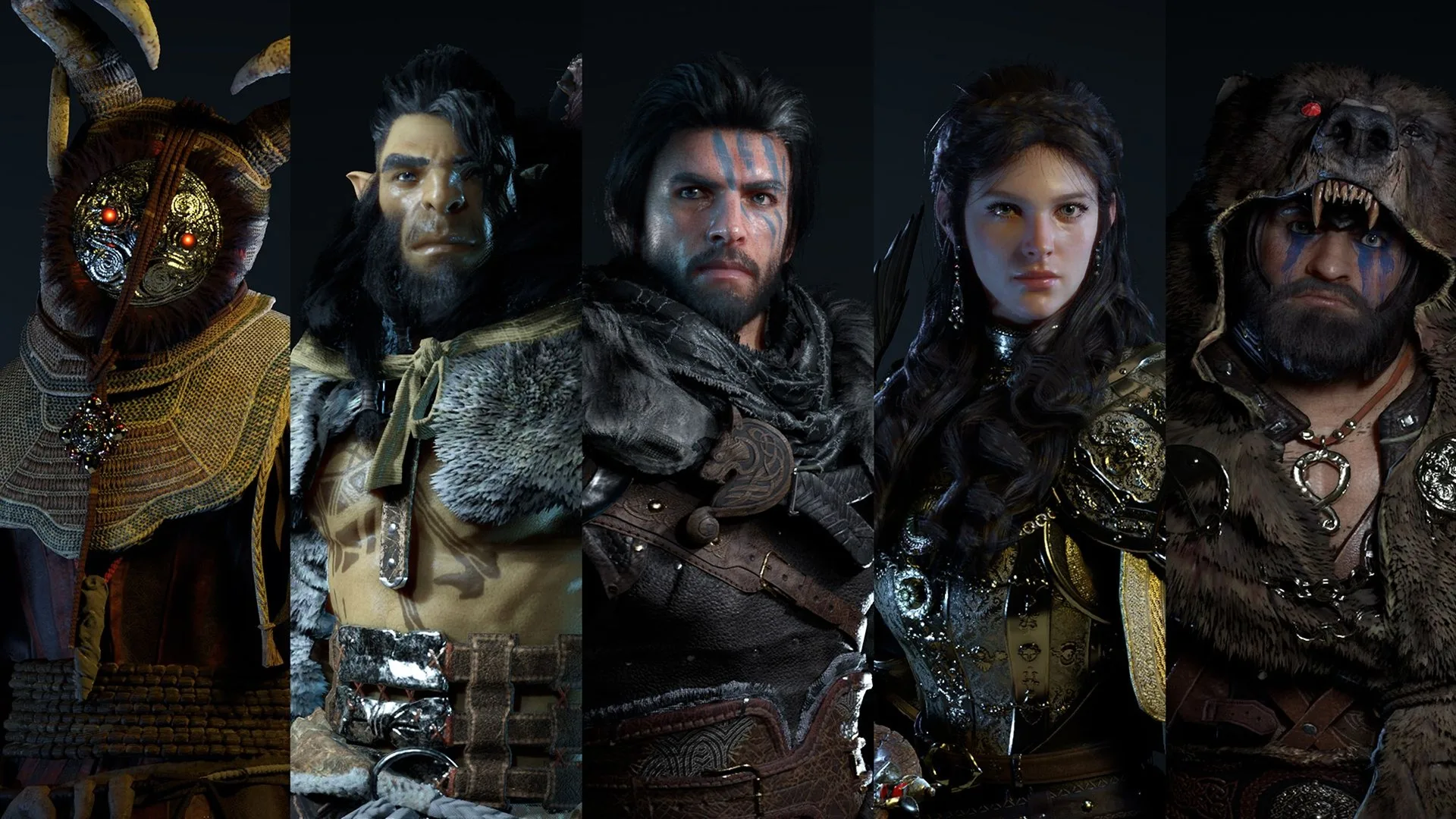
Crimson Desert uses a blend of mechanics; from large scale open world to physics-based interactions, and cinematic combat, the latest from Pearl Abyss pulls from multiple established systems from other popular franchises like Zelda, Assassin’s Creed, and The Witcher.
That design approach is exactly what drew criticism from Michael Douse, a publishing lead on Baldur’s Gate 3.
Douse described Crimson Desert as a “cynical amalgamation of borrowed mechanics,” a remark that quickly spread across gaming circles. However, the statement is less about targeting a single title and more about highlighting a broader shift in AAA development. According to Douse, players should expect more games like this in the premium space moving forward.
Crimson Desert is fun to play, but it is such a cynical amalgamation of borrowed mechanics. It is Now That’s What I Call Gaming plucked off a gas station shelf, for better & worse.
At the heart of Douce’s criticism is a growing reliance on existing, familiar systems. AAA games often combine elements that have already been established and proven successful elsewhere, whether that’s open world design make popular by Ubisoft, Soulslike combat, or layered RPG systems.
The result of this game development style is a hybrid experience that feels expansive but always familiar, never ventures into new territory.
Expect a lot more of this in premium & F2P. There is less risk in it – Michael Douse
The trend we are seeing is not happening in a vacuum. Development costs for AAA games are reportedly crossing $300M on average. Rising development costs and longer production cycles have made publishers more cautious. With so much money at stake, not everyone is willing to gamble on new ideas that may completely fall flat. Instead, AAA studios lean heavily toward designs that have already demonstrated success and market appeal.
Crimson Desert fits neatly into this model. Its gameplay showcases features that have appealed to players in other games. Bringing them together could result in a compelling experience, but it also reinforces the idea that AAA design is becoming increasingly iterative rather than innovative.
However, imitation requires skill and Crimson Desert does it wonderfully. Simply following a templet doesn’t mean the players will reject it. In fact, many of the popular games of the last decade follow the same blueprint. As long you deliver the good, follow any blueprint you want.
Douse admits that Crimson Desert is actually more cynical:
Is it more cynical than any other big AAA open world game that borrows from its own past? Probably not. At least it’s adding spice to the stew, rather than removing it. It would be sick if it gets its Dragon’s Dogma: Dark Arisen moment.
Douse’s comments also reflect a broader divide in the industry. While large studios navigate financial pressures and shareholder expectations, smaller teams often take on the role of experimentation. This has led to a landscape where innovation is more likely to come from indie projects, while AAA titles focus on refinement and scale.